




For a UK manufacturer looking at B Corp certification, it can be difficult to know where to start. The ambition might be there, but production, quality, labour, costs and customer requirements already need constant attention. Adding another major business objective can feel difficult to manage.
There is also the practical question of what you can currently measure. Energy consumption may be available at site level, but not by line or process. You might record waste without enough detail to understand where it came from. Compliance checks may still rely on paper, while teams manage resulting actions separately through spreadsheets or meetings.
Not being able to confidently answer every question about environmental or operational performance shouldn’t prevent a manufacturer from considering B Corp certification. Identifying where information is missing and where improvement is needed can be a useful place to begin.
What does B Corp certification involve?
B Corp certification assesses how a business operates and its impact on people and the environment. B Lab, the non-profit organisation behind the B Corp movement, manages the certification and its standards.
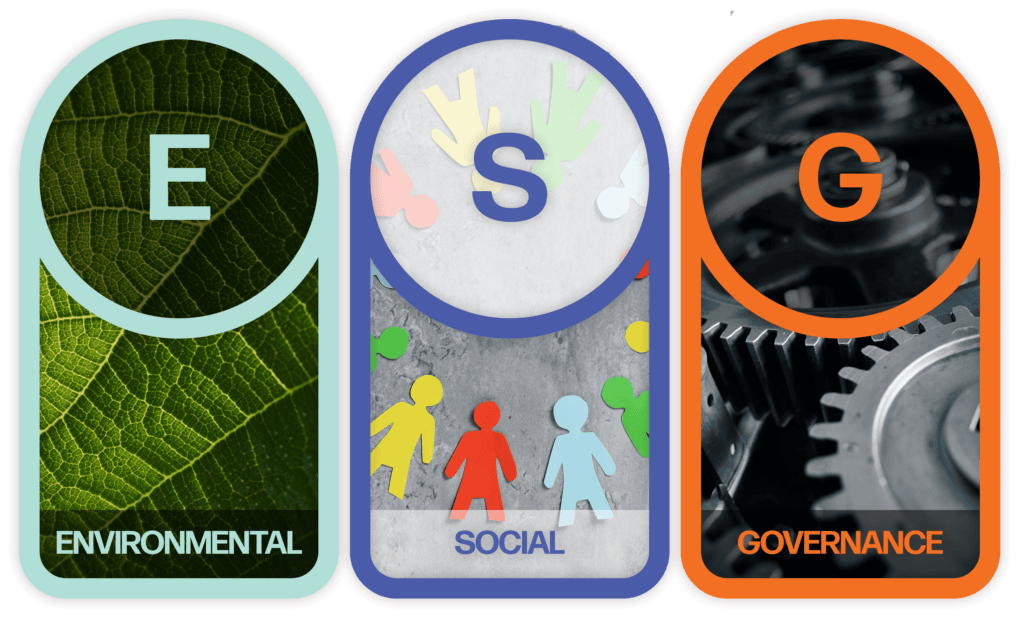
In 2025, those standards changed. Rather than relying on an overall points score, businesses now need to meet minimum requirements across seven Impact Topics. These cover Purpose & Stakeholder Governance, Climate Action, Justice, Equity, Diversity & Inclusion, Government Affairs & Collective Action, Fair Work, Human Rights, and Environmental Stewardship & Circularity.
For manufacturers, B Corp therefore reaches much further than environmental performance. Some requirements relate to governance, employment practices and the wider supply chain. Others have a closer relationship with what happens inside the factory.
Manufacturing consumes energy and materials, generates waste and relies on processes that can vary considerably in efficiency. Factories also employ people in environments where businesses need to manage health, safety, training and working practices properly. All of this forms part of the wider impact of the business.
Achieving B Corp certification requires involvement across the organisation, so no single department, project or piece of technology will get a manufacturer there. However, understanding what is happening operationally can make parts of that process considerably easier to approach.
Why is B Corp becoming more relevant to UK manufacturers?
Environmental and social performance is already becoming more important within manufacturing supply chains, whether businesses are considering B Corp certification or not.
Research from Make UK and Lloyds Bank found that 77% of manufacturers were receiving ESG requests from customers. The same research found that 74% had incorporated ESG conditions into their own procurement strategies. Around 62% had set ESG targets, yet fewer than half said they had the resources required to meet the ESG requests they were receiving.
Customer requirements also extend beyond carbon emissions. They include areas such as waste and recycling, energy management, water, health and safety, human and labour rights and social value.
Manufacturers supplying larger organisations may see these requirements more frequently. Expectations introduced by an OEM, retailer or multinational customer can quickly move through the supply chain. As a result, a manufacturer may receive requests for environmental or social information without having a direct reporting obligation of its own.
Anyone involved in supplier questionnaires or tender submissions may already recognise the change. Price, quality and delivery remain fundamental, but questions about emissions, environmental policies, working practices and waste management are becoming increasingly common alongside them.
Recent developments in UK public procurement point in a similar direction. In its procurement policy briefing published on 24 August 2026, Make UK highlighted changes designed to give greater consideration to wider economic, social and strategic value. PPN 026, for example, increases the weighting for local community benefits from 10% to 20% for contracts worth £5 million or more.
For manufacturers, responsible business is therefore becoming increasingly relevant from a commercial perspective as well as an environmental or ethical one. B Corp provides a recognised framework for addressing these areas. Where a business achieves certification, it also provides independent verification that the company has met B Lab’s standards.
But what if the factory isn’t ready?
The amount of work involved can easily discourage manufacturers considering B Corp.
Corporate ambitions around sustainability can look very different from inside a working factory. Equipment may have been installed over several decades, systems do not always communicate with each other and some processes still depend on spreadsheets or paper. Other processes may rely heavily on the experience of the people running them.
A manufacturer might know its total site energy consumption without understanding which processes consume it. Waste figures may exist without any connection to the product or process responsible. Environmental or safety checks may take place regularly, but retrieving historical information or identifying recurring issues can still be difficult.
None of these familiar manufacturing problems means a business cannot begin considering B Corp. They simply affect how easily the manufacturer can establish its current position and identify where improvement is required.
Responsible manufacturing does not necessarily mean creating a completely new set of measures either. Manufacturers already collect large amounts of information around production, quality, waste, labour and equipment performance. In many cases, existing information can provide a better picture of environmental and operational performance if the business can bring it together effectively.
The relationship between factory performance and environmental impact
Energy provides a good example. A factory that reduces electricity consumption by 5% might initially appear to have improved. However, that result means something very different if production fell by 15% during the same period. Looking at energy alongside output can show whether the amount required to produce a good unit is actually improving.
Waste follows a similar principle. Material that becomes scrap has already been purchased and transported. Depending on where the loss occurs, it may also consume energy, labour and machine time before the manufacturer rejects it.
Understanding whether waste relates to a particular product, line, process, start-up or changeover gives operations something useful to investigate. Improvements in yield and reductions in scrap can therefore have an environmental benefit while also improving production performance and cost.
Viewed through a manufacturing lens, B Corp is particularly interesting because some environmental objectives closely connect with improvements manufacturers already want to make.
Improving OEE does not automatically improve a company’s B Corp position, and reducing energy consumption alone will not satisfy Climate Action requirements. The certification covers much more than factory efficiency. Better operational performance and more responsible use of resources can, however, support some of the same objectives.
Being able to show what actually happened
Evidence is another important consideration for manufacturers.
Businesses working to quality, safety or industry-specific standards will already understand the difference between having a procedure and demonstrating that people follow it.
A business may schedule an environmental inspection every week, but useful evidence goes further than confirming that it took place. When an inspection identifies an issue, the business also needs to know what happened afterwards. This could include whether someone raised an action, who took responsibility and whether they completed it.
Waste checks, health and safety, maintenance and working conditions all require a similar approach. Each contributes in different ways to responsible manufacturing.
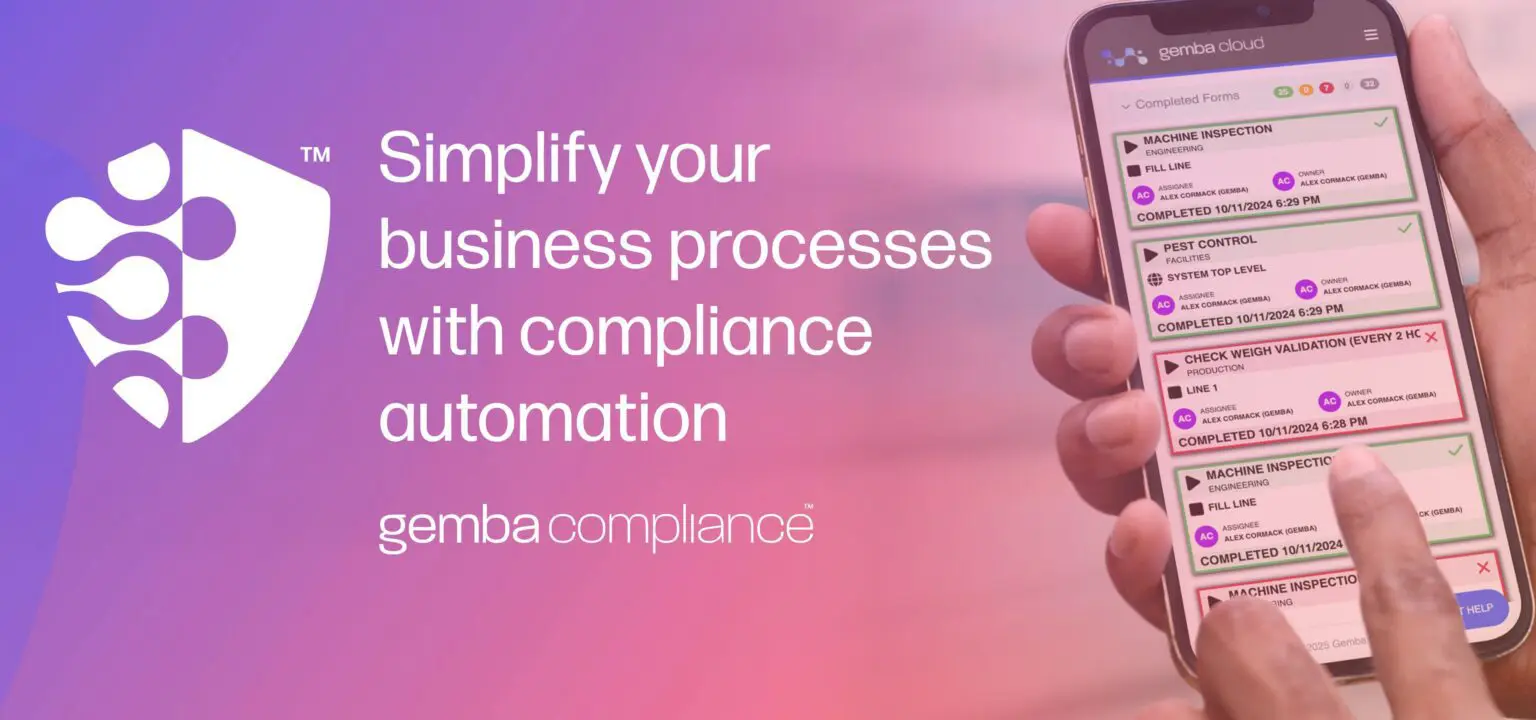
Digital systems can make this information easier to manage, particularly where manufacturers currently work across paper forms, spreadsheets and separate action lists. Reviewing previous results becomes easier, as does identifying recurring issues and maintaining a clearer history of corrective action.
For manufacturers using Gemba, areas such as Compliance, Action Tracker, energy monitoring, labour tracking and production data can support parts of the wider B Corp journey. They provide operational information and evidence where relevant without attempting to replace wider work across governance, HR, procurement, sustainability and the supply chain.
A modular approach also allows manufacturers to focus on their own gaps. One business with good production information may need better energy visibility, while another may struggle with compliance records or action management. Introducing technology simply for the sake of B Corp adds little value if the underlying process already works well.
B Corp is about more than the factory
The scope of B Corp extends well beyond environmental performance.
Fair Work, Human Rights and Justice, Equity, Diversity & Inclusion are all separate areas within B Lab’s standards. Governance, procurement, employees, communities and the supply chain also form part of the assessment.
Some manufacturing information can support this work. Labour and skills information, safety inspections and records of corrective actions can all provide useful evidence. However, technology cannot determine whether a company treats people fairly or operates responsibly.
Business decisions, policies, leadership and culture play a much greater role in these areas. The broader scope of B Corp encourages companies to consider environmental and social performance alongside the commercial measures they already use. Sustainability therefore becomes part of the wider business rather than something that sits solely with an environmental team.
Starting from where you are

Manufacturers have always worked with competing priorities around cost, quality, delivery, safety and production performance. Environmental and social considerations are becoming a greater part of that mix. In some areas, these objectives naturally support each other.
Reducing scrap lowers material consumption and cost, while improving yield makes better use of resources already purchased. Unnecessary energy consumption can also increase both environmental impact and operating costs. Better compliance and action management can improve consistency and reduce risk.
Some areas of B Corp will have no immediate production or financial return. That is entirely appropriate for a standard designed to look at the wider impact of a business.
Perfect factory data is not a prerequisite for manufacturers interested in becoming a B Corp. Looking at what the business already measures can provide a realistic starting point. From there, manufacturers can identify missing or unreliable information and understand which areas need attention.
Achieving B Corp certification requires much more than manufacturing data. A clearer view of energy, waste, compliance, labour and operational performance can still support the wider work and provide evidence of improvement over time.
Even if certification remains a longer-term ambition, making better use of resources, understanding losses and improving the way issues are managed remain worthwhile objectives for any manufacturer.
Could better visibility help your manufacturing journey?
Becoming a B Corp involves far more than manufacturing performance, but understanding what is happening across your factory can provide a valuable foundation. Greater visibility can help manufacturers improve the way they manage resources, compliance and operational decisions.
If you’re looking to gain greater visibility across production, energy, compliance or improvement actions, explore how Gemba’s manufacturing software can support better-informed decision making across your operation.