



 Product compliance sits at the heart of modern manufacturing. It is the set of processes, standards and controls that ensure every product you make meets the legal, regulatory and customer requirements that apply to it before it reaches the market.
For manufacturers in the UK, getting product compliance right is not optional. It protects your customers, your brand and your ability to trade confidently in regulated markets. Conversely, getting it wrong can mean product recalls, regulatory action or lost contracts.
This guide explains what product compliance covers, why it matters commercially and operationally, and what a strong compliance process looks like in practice.
What does product compliance cover?
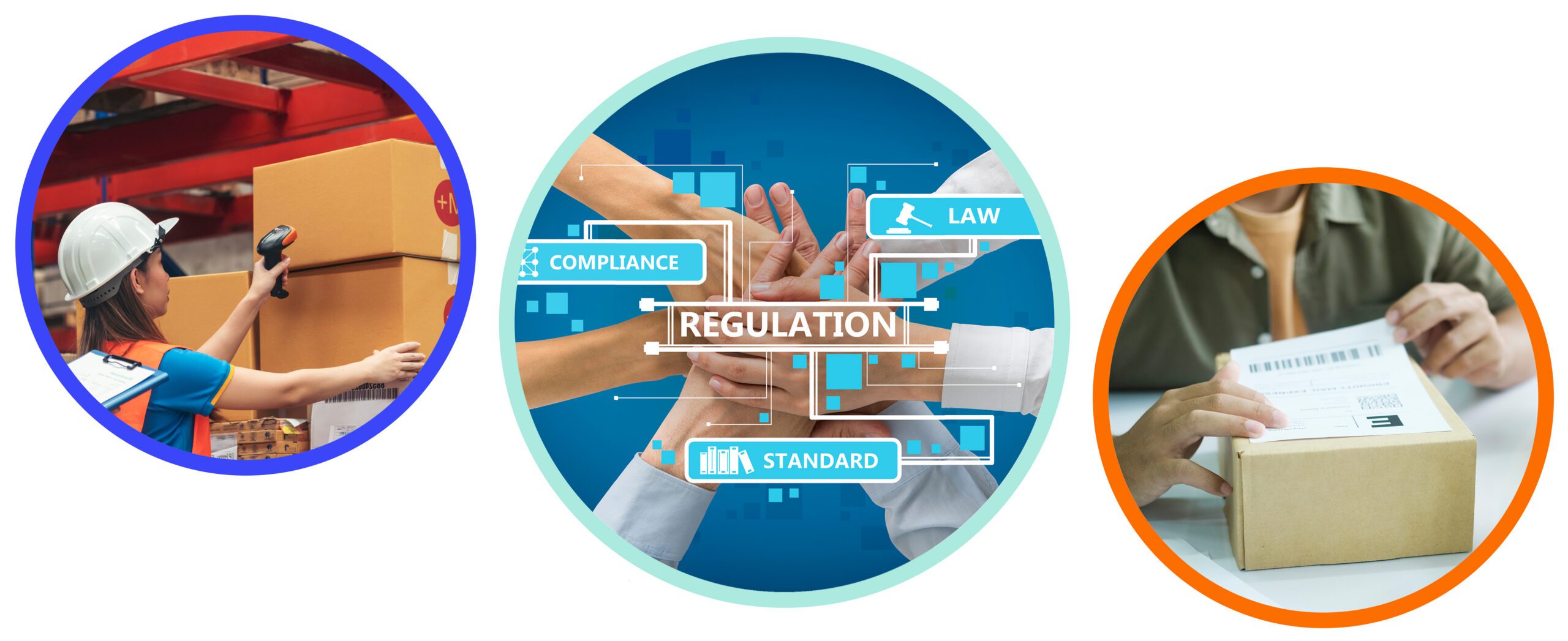
Product compliance is broader than many manufacturers realise. It does not just mean testing a finished product. Instead, it covers the full lifecycle of a product: from design and raw material sourcing through to production, labelling, packaging and post-market obligations.
The specific requirements will vary by industry, product type and the markets you sell into, but common areas include:
Regulatory compliance
Meeting the legal requirements that apply to your product category and target market.
Product safety compliance
Demonstrating that your product is safe for its intended use and does not pose unacceptable risk.
Standards conformity
Meeting relevant industry or international standards (such as ISO, British Standards or sector-specific frameworks like BRCGS in food).
Labelling and documentation
Ensuring accurate declarations, certifications and product information.
Product compliance testing
Carrying out tests, assessments or verification activities required to demonstrate conformity.
Traceability
Maintaining the records needed to prove compliance across the supply chain.
Product compliance vs product safety compliance: what is the difference?
These two terms are closely related but not interchangeable.
Product safety compliance is specifically about demonstrating that a product is safe. In other words, it is the part of the broader compliance picture that focuses on risk to users, consumers or the environment.
Product compliance is the wider umbrella term. It includes product safety, but it also covers areas like environmental requirements, labelling regulations, trade standards and documentation obligations.
In practice, for most manufacturers, both are relevant. A product can technically pass safety testing but still be non-compliant if its labelling is wrong or its documentation does not meet the required standard.
Why product compliance matters commercially
Compliance is often framed as a cost or a burden. In reality, it is a commercial enabler.
Access to markets
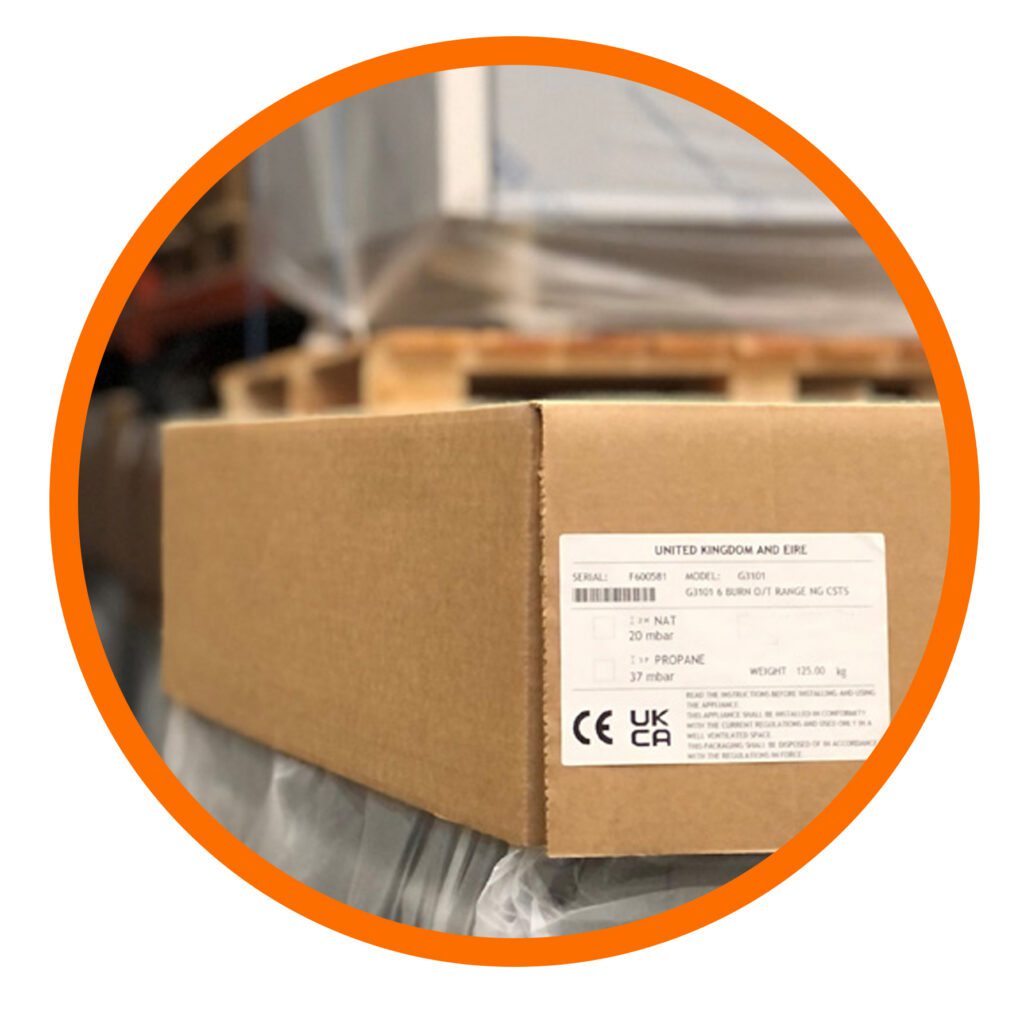
You cannot legally sell into many markets without meeting their compliance requirements. In the UK, many product categories must meet CE and/or UKCA conformity marking requirements depending on where the product is sold. Similarly, in regulated sectors like pharmaceuticals and food, compliance is an entry-level requirement, not a differentiator.
Customer and retailer requirements
Many large retailers and B2B buyers now conduct their own supplier audits or require documented evidence of compliance as a condition of trading. As a result, manufacturers who cannot demonstrate strong compliance processes risk losing contracts or failing supplier qualification.
Brand and liability protection
A product recall or regulatory enforcement action can be costly, disruptive and damaging to reputation. Strong compliance management reduces that risk. In addition, it creates a clear audit trail if questions are ever raised about a product after it has reached the market.
GPSR compliance: a timely example
The General Product Safety Regulation (GPSR) is a useful illustration of how product compliance requirements evolve and why manufacturers need processes that can keep pace.
GPSR updated the EU’s general product safety framework, introducing new requirements around risk assessment, incident reporting and market surveillance obligations.
While GPSR applies within the EU, UK manufacturers exporting into EU markets may still need to comply with its requirements. Meanwhile, manufacturers monitoring how equivalent UK legislation may develop are also paying close attention to the regulation.
Therefore, it is a good example of why compliance cannot be treated as a one-time exercise. Regulatory frameworks change, and manufacturers need systems in place to identify and respond to those changes.
Common risks of poor compliance management
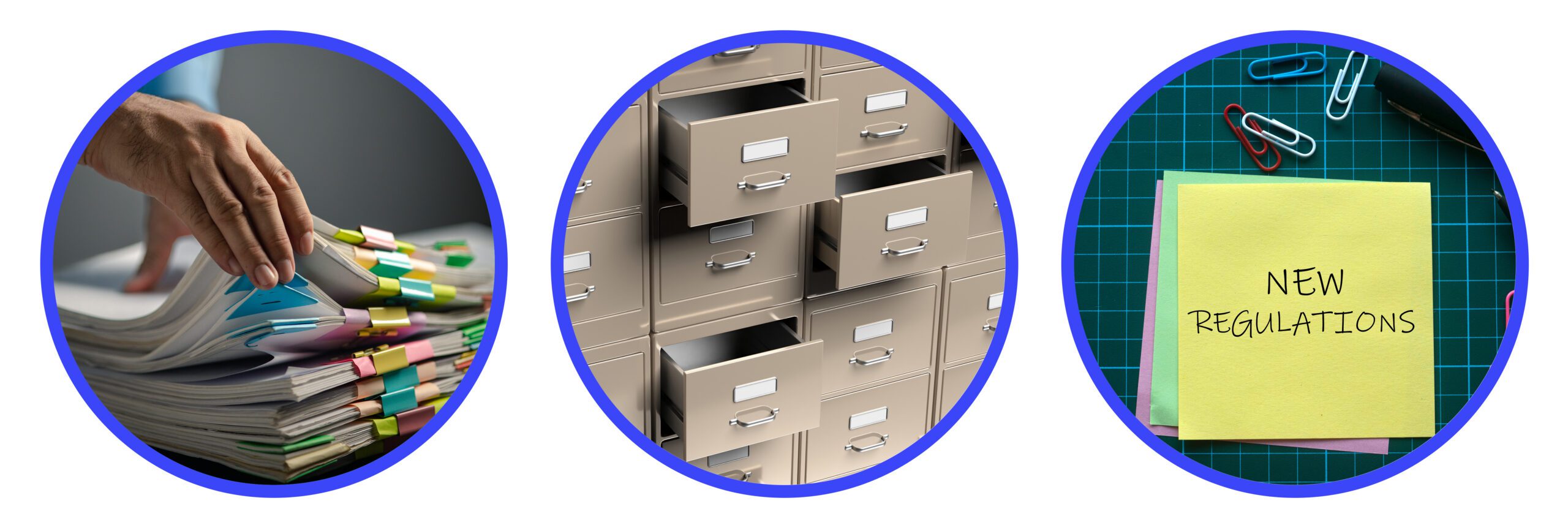
Many compliance failures in manufacturing do not come from a lack of intent. Instead, they come from processes that are manual, fragmented or inconsistent.
Manual and fragmented record keeping
Relying on spreadsheets or paper records that are difficult to update, version-control or share across teams.
Missing or inconsistent testing records
Inconsistent product compliance testing records that cannot be quickly retrieved during an audit.
Poor ownership of compliance responsibilities
No clear ownership of compliance across the operation, leaving gaps between quality, operations and procurement.
Untracked regulatory changes
Regulatory changes going unnoticed because there is no systematic way to monitor and act on them.
Documentation and labelling errors
Labelling or documentation errors that are not caught before products leave the site.
Supply chain traceability gaps
Supply chain gaps where compliance evidence for incoming materials or components is incomplete.
In sectors like food and pharmaceuticals, where regulatory scrutiny is high, these gaps can have serious consequences. However, even in less heavily regulated categories, they create unnecessary risk.
What a strong product compliance process looks like
There is no single template for product compliance, but manufacturers with strong processes tend to share some common characteristics.
Clear regulatory mapping
They have a clear view of which regulations, standards and customer requirements apply to each product and each market. Importantly, this is not a document that sits in a drawer; it is a live reference that is updated when requirements change.
Documented product compliance testing
They maintain complete, retrievable records of every test carried out on their products. For example, this includes test results, test reports, test methods and any corrective actions taken where products did not initially meet the required standard.
Controlled documentation
Version-controlled documentation ensures that everyone across the operation is working from the correct, current version of specifications, work instructions and product records.
Supplier and materials traceability
They can trace compliance evidence back through the supply chain. For example, if a question is raised about an ingredient, component or material, they can quickly identify its origin and the compliance data attached to it.
Audit readiness
Good compliance management means maintaining records in a state that supports efficient audits and inspections, rather than scrambling to prepare when a customer visit or regulatory inspection is announced.
In turn, this requires organised, accessible records and a team that knows where to find them.
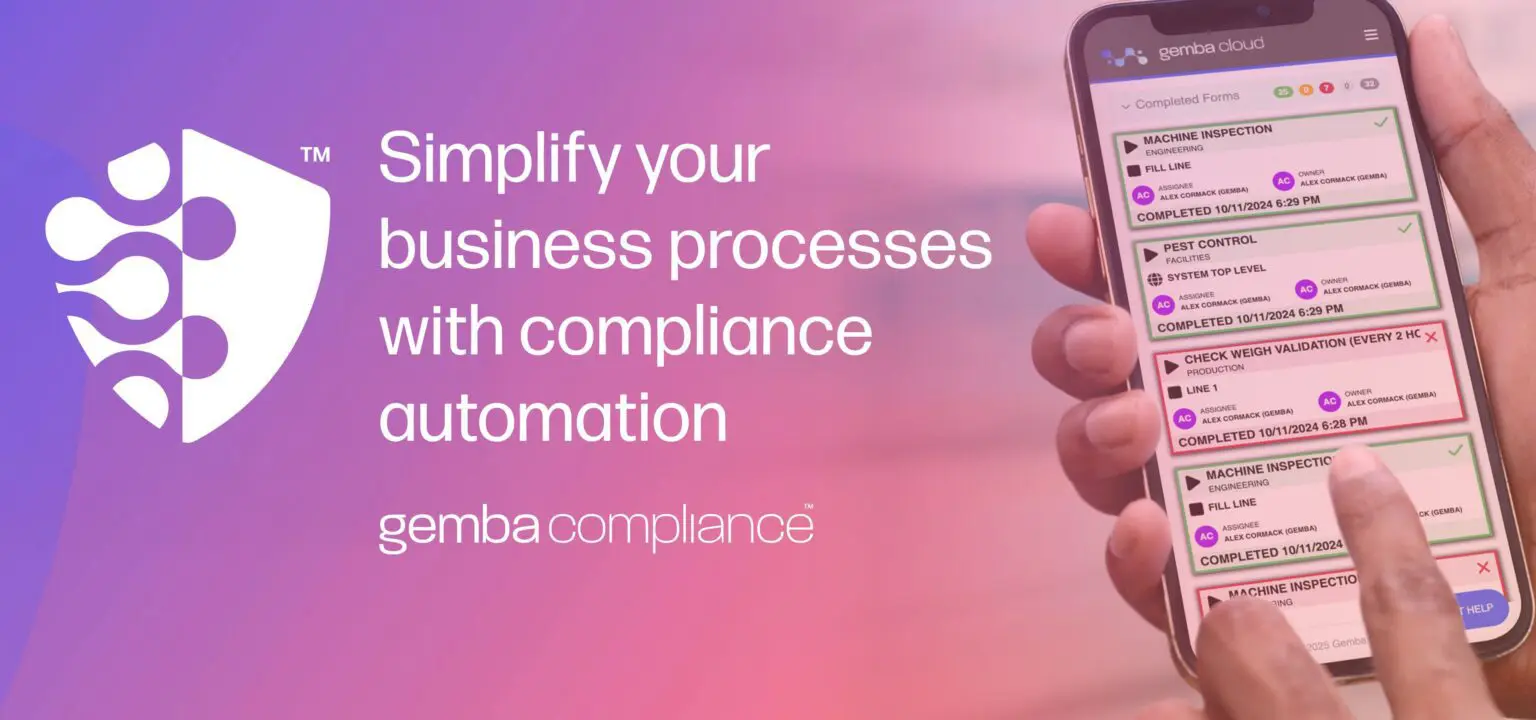
How product compliance software supports better management

As compliance requirements have grown more complex, many manufacturers have moved away from spreadsheet-based approaches towards dedicated product compliance software.
As a result, the right software helps by:
- Centralising compliance records so teams across the operation can access the same information
- Improving visibility of compliance status across product lines and markets
- Supporting consistent processes for product compliance testing and document control
- Creating the audit trail needed to demonstrate compliance quickly and credibly
- Reducing the manual effort involved in maintaining up-to-date compliance records
The goal is not to automate compliance away. Instead, it is to give the people responsible for compliance the visibility and structure they need to manage it effectively.
Product compliance is only as strong as the processes behind it
Product compliance is a core operational responsibility for manufacturers, not a back-office function. It shapes which markets you can access, how you manage risk and how confidently you can respond to customers and regulators.
Ultimately, getting it right requires clear processes, reliable records and systems that give your team the visibility to stay on top of changing requirements.
If you want a platform that brings structure, traceability and audit-readiness into daily operations rather than bolting them on, explore how Gemba Compliance supports manufacturers managing product compliance with a practical, site-level focus.