




Food and beverage regulatory compliance gives manufacturers a clear framework to protect consumers, maintain product integrity and keep factories running without interruption. By aligning daily routines with legal requirements and recognised standards, teams can prove control, resolve issues faster and strengthen trust with customers and regulators.
Treating food and beverage regulatory compliance as an ongoing discipline helps you stay audit ready.
Why food and beverage regulatory compliance matters
Importance for consumer safety and public health
Regulatory frameworks exist to prevent contamination and mislabelling. A clear hazard analysis with verified controls gives leaders confidence that critical limits are met at the right steps.
Specialised compliance systems reduce the chance of incidents that put vulnerable groups at risk and they support rapid, evidence-based action if something slips. These principles apply across food and beverage industry regulations and compliance programs of every size.
Protecting brand reputation and trust
One packaging error or hygiene lapse can undo years of brand building. Buyers and retailers expect proof that you understand your risks and control them daily. Certification to recognised schemes, transparent traceability and credible records show that your operation treats quality as a discipline not a campaign. When issues arise, a strong paper trail helps you act quickly and maintain trust.
Avoiding fines, recalls and production shutdowns
Non-conformance leads to penalties, unplanned downtime and product write-offs. Strong compliance simplifies due diligence, keeps labelling accurate and helps you prove that equipment, people and processes are under control. If you need to recover product, reliable batch genealogy and documented corrective actions reduce recall scope and speed recovery. This is central to food industry regulatory compliance in complex operations.
Key food and beverage regulatory compliance standards
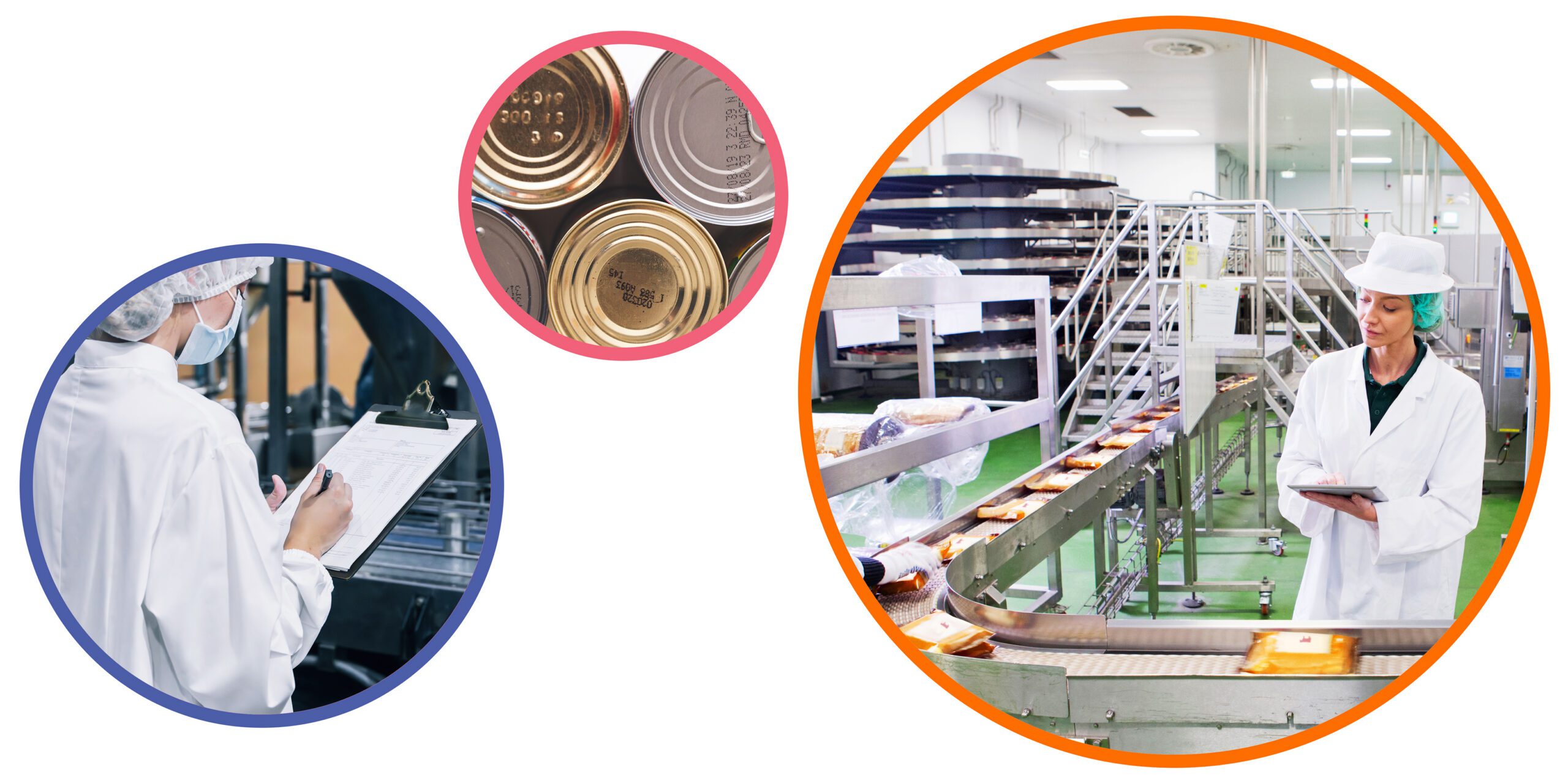
Manufacturers often work within overlapping frameworks. While specifics vary by market, the UK and EU have common standards that underpin food and beverage industry regulations and compliance.
HACCP principles
Hazard Analysis and Critical Control Points (HACCP) remains the backbone of food safety systems.
To remain compliant:
- Define hazards, set critical limits, monitor effectively and document corrective actions.
- Continually verify that controls match real process conditions.
- Ensure calibrations, line checks and validation evidence is easy to access when auditors ask.
ISO 22000 and GFSI recognised schemes
ISO 22000 integrates food safety with wider management systems. GFSI recognised programmes such as BRCGS Food and FSSC 22000 translate expectations into auditable criteria.
Maintaining certification signals that governance, site standards and supplier controls are applied throughout the year. It also streamlines customer assurance by providing a common language for risk.
These frameworks support food and beverage regulatory compliance for both general food and alcoholic beverage regulatory compliance contexts.
Allergen labelling and traceability rules
Accurate ingredient statements and clear allergen declarations are essential. Link raw material lots to finished goods and to the exact label version used on the line. Controls should cover changeovers, rework and storage so cross-contamination does not occur. In line code verification and vision systems reduce mispack risk while sample checks confirm claims are correct.
Handling shelf life and expiration controls
Sound date coding, stock rotation and temperature control preserve shelf life. While challenge tests, stability assessments and packaging integrity checks support claims. Record accuracy matters – the right date must be on the right pack and be backed by calibrated equipment and periodic review of hold times and release criteria.
Hygiene and contamination prevention
Good manufacturing practice is the daily expression of compliance. That means validated cleaning, personal hygiene, pest control, water quality and hygienic design that makes sanitation easier. Swabbing, visual inspections and environmental monitoring provide objective evidence that standards are sustained across shifts. Such routines strengthen food industry regulatory compliance at every site.
Common compliance challenges in food and beverage manufacturing

Even experienced sites see friction where manual oversight meets complexity. Knowing the pitfalls helps you prioritise improvement and sustain food and beverage regulatory compliance.
Manual record keeping and paper-based audits
Paper forms are slow to complete and easy to misplace. And transcription errors creep in, making audit preparation very time-consuming.
In contrast, digital capture creates time stamped, tamper evident records that are searchable and ready for trend analysis. Audit preparation takes minutes not days.
Maintaining traceability across complex supply chains
Multi ingredient recipes and frequent changeovers make lot tracking difficult. Without a unified system, reconciling movements across intake, WIP and packing takes hours. A central digital ledger maps materials to batches in minutes which shrinks any recall footprint.
Ensuring consistent hygiene and sanitation practices across shifts
Instructions kept in binders age quickly. Digital work instructions with images and short clips increase clarity and consistency. It also enables verified completion with supervisor sign off, keeping the night shift aligned with the day shift.
Labelling accuracy and allergen control
Human checks alone are not enough in high mix environments. Scanning for label IDs, in line vision systems and automatic holds on mismatches provide a robust barrier. Periodic line clearance and validated cleaning methods further reduce cross contact risk.
Real-time monitoring gaps in regulatory compliance
If data is delayed, action is delayed. Temperature changes, metal detector rejects or missed sanitation tasks should trigger immediate alerts. Real-time dashboards help teams act before non-conforming product moves downstream.
Practical steps to strengthen food and beverage compliance
Turning policy into practice is where value appears. Follow the steps below to reinforce food and beverage regulatory compliance across categories including alcoholic beverage regulatory compliance.
1. Build a culture of quality and accountability
Open daily meetings with quality, safety and people metrics. Share simple trend charts with line teams. Recognise near-miss reporting and corrective actions that prevent incidents. When staff see that quality goals carry equal weight with output, behaviour shifts.
2. Elevate employee training and SOP adherence
Translate procedures into short, visual, mobile ready formats. Validate competency through quick quizzes and observed practice not just signatures. Refresh training around seasonal risks or new products and remove obsolete versions so there is one source of truth.
3. Set up real-time data visibility and alerts
Instrument critical checkpoints. Use dashboards that show CCP status, sanitation tasks and label verification in one view. Configure alerts for exceeded limits, overdue checks or repeated minor defects. Real-time visibility shortens the detection to correction window.
4. Standardise inspection and audit processes
Create digital checklists for pre-start reviews, hygiene, foreign body controls and environmental monitoring. Require photo evidence for high-risk items. Scheduling ensures nothing is missed across zones or shifts and results roll up to site dashboards.
5. Use digital traceability tools
Adopt lot tracking from intake to despatch. Scan materials at each movement and link holds, deviations and rework to specific batches. With complete genealogy, recall drills become precise and trend analysis reveals where waste originates.
6. Automate reporting and audit trails
Compile audit packs with a click. Include calibration certificates, CCP logs, training records and deviation closures. Automation reduces admin load and increases confidence that documentation reflects reality on the floor.
How compliance supports FMCG performance
Compliance is not a cost centre. In fast moving consumer goods, it supports lean and resilient operations that compete on service and quality.
Reduced waste
Tighter controls mean fewer rejects, less rework and better yields. Lines spend more time producing saleable product and less time firefighting.
Better supply chain resilience
Supplier approval, incoming verification and clear specifications reduce variability at source. Planning improves when inputs are predictable and customer service stabilises.
Faster issue resolution
Clean data trails narrow investigations. Teams fix root causes sooner and avoid repeat events which protects OEE and service levels.
Higher customer confidence
Retailers value evidence of standards in daily practice. Confidence helps secure listings, collaborative planning and longer partnerships.
Role of technology in food compliance
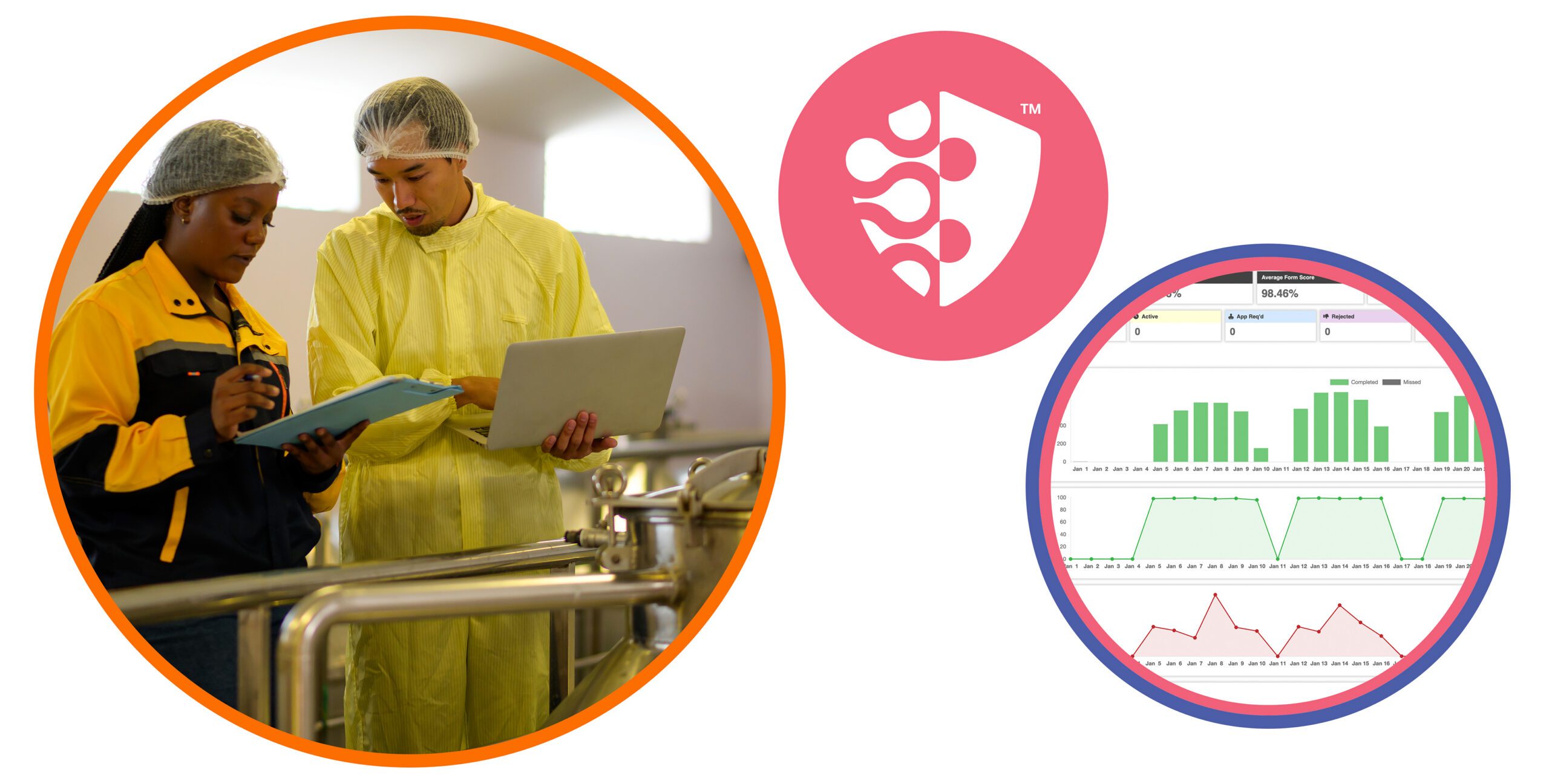
Digital platforms turn static programmes into living systems that guide work, capture proof and surface risk in real time. This is where food and beverage regulatory compliance becomes easier to follow and easier to prove across both food industry regulatory compliance and alcoholic beverage regulatory compliance.
Real-time production monitoring
Connect sensors, checks and operator inputs so the system understands the state of each line. Thresholds trigger alerts and holds automatically which reduces reliance on memory or manual oversight.
Digital work instructions
Step-by-step guides with images and short clips help operators execute tasks consistently. Updates publish instantly across shifts and sites, so outdated versions disappear.
Automated audit logs
Timestamped records with user attribution provide strong evidence of due diligence. Version control shows what changed, when and why. Transparency reduces audit stress and strengthens governance.
Centralised compliance dashboards
Give quality, technical and operations teams a single source of truth. Dashboards summarise CCP status, open actions, training completion and environmental results so leaders act on facts not assumptions.
Data led decision making
With complete and trustworthy data, teams can spot chronic losses, prioritise fixes and quantify benefits. To see how a platform simplifies these capabilities, visit our product page for manufacturing compliance for an end-to-end view. This helps maintain food and beverage regulatory compliance during scale up and seasonal demand.
Embedding compliance into daily operations
Compliance is not a one-off project. It is an ongoing and strategic discipline that protects consumers and strengthens performance.
As rules evolve across the UK and EU, modern systems keep your factory prepared for change and gives customers confidence that you can deliver safely at scale.
For manufacturers ready to implement a new system, start with a review of hazards, data visibility and training, then layer in digital tools that hard wire good practice into every shift.
Implementing this consistent focus on food and beverage regulatory compliance supports growth and reduces risk over time.