






Production monitoring in manufacturing is essential for delivering consistent output and reducing inefficiencies. It provides the real-time data teams need to respond faster to problems, identify patterns of waste and take a proactive approach to continuous improvement.
What is production monitoring and why does it matter?
Production monitoring is the continuous tracking of key factors on the shop floor such as output rates, machine uptime, cycle times and product quality. Whether collected automatically or manually, this data provides an accurate picture of what is happening on the shop floor, helping to detect issues earlier and improve decision-making.
Production monitoring systems in the manufacturing process are often used to support lean or continuous improvement frameworks. Visualising real-time events using data helps teams react faster to problems like unplanned downtime and makes root cause analysis more effective. It also ensures consistent quality, compliant operations, product traceability and product safety.
Key components of a manufacturing production monitoring system

A complete manufacturing production monitoring system consists of multiple components working in unison. Together, they provide the foundation for visibility, analysis and improvement across the factory floor.
Real-time data capture
Capturing live production data is essential for understanding current performance. This can include machine state, cycle completions, downtime events and operator inputs. Data may be pulled from programmable logic controllers (PLCs), industrial sensors or manual interfaces, depending on the facility’s infrastructure.
Real-time visibility enables teams to react quickly when performance drifts from standard. For example, if a machine stops unexpectedly, the issue can be addressed before it significantly impacts output. Delays in detecting downtime or quality problems can cause waste to accumulate whereas live monitoring makes it possible to contain issues before they escalate.
Dashboards and performance metrics
Once data is captured, it must be visualised in easily understood at a glance graphics that support decision-making. Dashboards play a central role in this, offering insights into performance metrics such as:
- Machine uptime and downtime
- Product quality adherence, on-time in-full
- Cycle time consistency
- Scrap and rework rates
A well-structured manufacturing dashboard can be configured for different user levels from operators monitoring shift output to managers comparing plant-wide performance. This makes it easier for teams to stay aligned on targets and quickly identify where intervention is needed.
Alerts, trends and continuous improvement
Modern monitoring systems also support alerts and historical analysis. Alerts can be configured to flag when performance thresholds are breached such as excessive downtime or missed cycle targets. This encourages timely intervention and promotes operational discipline.
Meanwhile, trend analysis allows teams to review performance over time, by the minute or month, identifying recurring problems and tracking the impact of improvement efforts. This capability supports continuous improvement by connecting shop floor activity to long-term goals such as reduced waste or improved asset utilisation.
Production monitoring systems in the manufacturing process must therefore go beyond reporting they should actively support learning and progress.
Benefits of implementing production monitoring systems

Deploying a structured production monitoring approach can lead to tangible improvements across quality, efficiency and cost control. These systems aren’t just for large manufacturers; small and mid-sized operations benefit just as much from better visibility and faster decision-making.
Improved visibility and accountability
When everyone on the production floor has access to the same performance data, it becomes easier to foster ownership and accountability. Operators can see how their actions affect shift output, while supervisors can provide informed coaching based on factual trends rather than assumptions.
Introducing labour tracking alongside production monitoring often reinforces this effect, creating a culture where results are visible and shared.
Data-led decisions and faster reactions
Reliable data reduces the need for guesswork. Supervisors can pinpoint the cause of slow output or rising defect rates and act accordingly. Maintenance teams can prioritise work based on machine performance rather than fixed schedules. Production managers can adjust plans quickly if issues arise, reducing knock-on effects.
This responsiveness helps reduce downtime and prevent quality issues from spreading both key to maintaining customer satisfaction and on-time delivery.
Long-term cost reduction
Over time, production monitoring contributes to cost control by revealing hidden inefficiencies. For instance, frequent micro-stops on a key line might go unnoticed without real-time tracking, yet may result in significant lost time.
With data intelligence, patterns of loss can be highlighted without spending time trying to identify these manually, significantly reducing the time spent trawling data tables looking for patterns and priorities.
Organisations can implement targeted improvements whether that’s through process redesign, retraining or changes to maintenance routines. This approach supports sustainable cost reduction without compromising quality or throughput.
Integrating production monitoring with wider factory systems
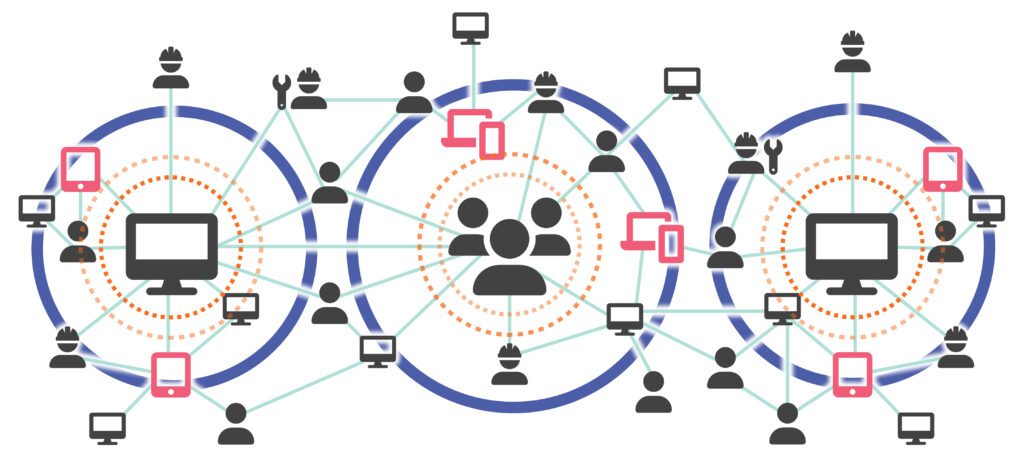
To maximise their impact, production monitoring systems should integrate with other parts of the factory’s digital infrastructure. When aligned with systems like MES, ERP, SCADA or IIoT platforms, monitoring tools become part of a broader operational intelligence network.
For example, linking monitoring data with ERP enables real-time updates on order progress. Integrating with MES supports synchronisation between planning and execution. A connected system adds automation to repetitive manual tasks, error proofing points of failure and building in confidence.
Exploring how to integrate a monitoring system without disrupting output helps ensure a smoother rollout and quicker results.
Choosing the right production monitoring solution
With many solutions available ranging from simple data loggers to advanced analytics platforms it’s important to choose a system that aligns with operational needs and future goals.
Key evaluation criteria include:
- Machine compatibility – Can the solution connect to, and extract data from, existing machinery, both new and legacy?
- Connectivity – Can the solution connect with machinery, and manual processes, both new and legacy?
- Usability – Is the interface intuitive for frontline operators and flexible for different users?
- Scalability – Can the system support additional lines, cells or sites as the business grows?
- Costs – Data without action is a form of waste, are you in control of your data and costs?
- Reporting and insight tools – Are analytics features strong enough to support and manage your continuous improvement?
Solutions such as Gemba software are designed to simplify this process, turning production data into a reliable basis for operational improvement.
Turning production monitoring into measurable progress
Production monitoring provides the visibility and insight needed to build a responsive, efficient manufacturing environment. By capturing real-time data, highlighting inefficiencies and supporting data-led improvement, it becomes a central tool for lean operations.
The real value of monitoring isn’t in the data, but it’s in how that data drives better day-to-day decisions and long-term improvements.. Whether your goal is reducing downtime, improving quality or scaling up with confidence, production monitoring gives you the operational clarity to move forward.
Organisations looking to improve their current approach may benefit from reviewing how their monitoring systems support not hinder problem-solving and progress. Done well, production monitoring with action has a very quick ROI and long-term sustained improvement.