



Audit and compliance software is a category of operational tool that helps businesses manage the processes, records and evidence that compliance requires. It provides a structured way to keep compliance activities organised. For manufacturers working in regulated or quality-driven environments, it addresses a very specific problem. Compliance obligations are continuous, documentation-heavy and increasingly difficult to manage through manual or spreadsheet-based methods.
In this article, we explain what audit and compliance software does, the operational problems it solves and which types of businesses and roles benefit most from it.
What audit and compliance software does

At its core, audit and compliance software gives organisations a structured, centralised way to manage the activities, records and workflows that sit behind their compliance obligations. Rather than spreading information across email threads, shared drives and spreadsheets, the software brings everything into a single environment. Information can then be tracked, updated and retrieved consistently.
The specific capabilities vary by platform and sector, but the core functional areas typically include:
Audit management with compliance software
The software supports the planning, execution and follow-up of audits. This includes internal, customer-led and regulatory audits. Teams can schedule audits, record findings and assign corrective actions within one system. They can also track every action through to completion. This replaces the common pattern of managing audit activity across multiple documents and email chains, which makes it difficult to maintain a clear picture of where actions stand.
Document control
Compliance depends on controlled documentation. Audit and compliance software typically includes version control for procedures, policies and work instructions. This ensures teams always work from the current approved version. In addition, it maintains an audit trail of changes, which is essential when demonstrating document integrity to an external auditor or regulatory body.
Action and CAPA tracking
Corrective and Preventive Actions (CAPAs) are a standard requirement across most compliance frameworks. The software provides a structured way to log issues, investigate root causes, assign actions to specific owners and track their completion to deadline. As a result, without a dedicated system, CAPAs often fall through the gaps because there is no consistent mechanism to follow them through.
Compliance monitoring using audit and compliance software
Compliance auditing software typically includes dashboards and reporting tools. These give managers a real-time view of compliance status across the operation. Rather than compiling status updates manually before an audit or review, teams can access the information they need directly, and in a format that is meaningful to different levels of the organisation.
Training records and competency
Many compliance frameworks require documented evidence that staff are trained and competent for the roles they carry out. The software provides a way to link training records to specific procedures, track completion and flag when refresher training is due.
Problems audit and compliance software solves
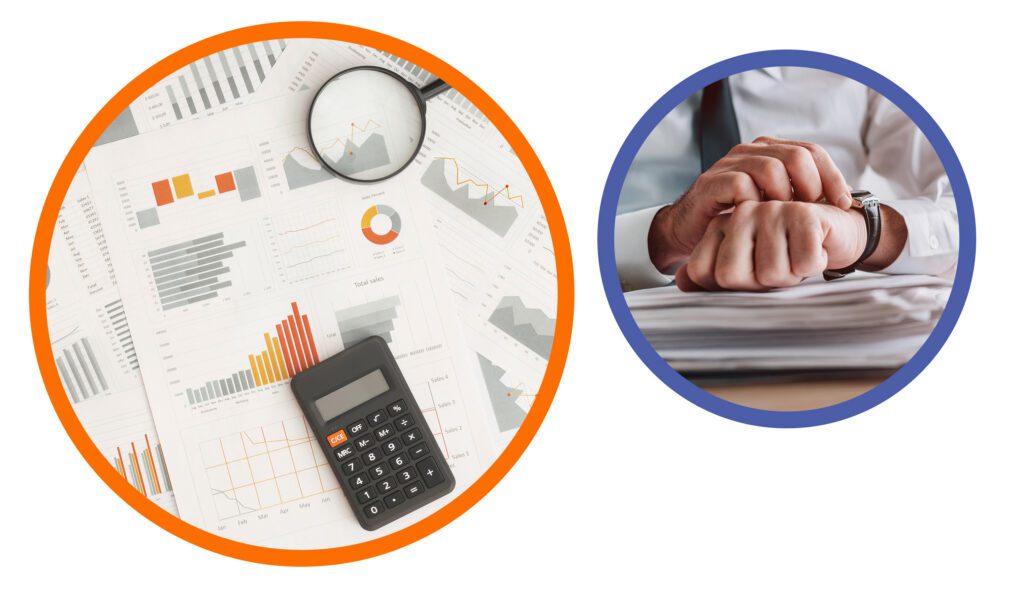
The case for compliance software is most clearly made by looking at the problems that emerge when teams manage compliance without it.
Inconsistency across sites and teams
In manufacturing operations with multiple lines, shifts or sites, it is common for teams to carry out compliance activity differently depending on who is responsible and when. Without a shared system, there is no reliable way to enforce consistent standards or identify where gaps are appearing until they become a problem.
Poor audit readiness
Many manufacturers find that preparing for an audit is itself a significant operational exercise. Teams often scatter evidence across multiple locations, leave records incomplete or struggle to retrieve them quickly, creating pressure to assemble documentation in a short window. Instead, audit compliance software makes audit readiness a byproduct of normal operations rather than a reactive sprint.
Weak traceability
Compliance frameworks in food, pharmaceutical and other regulated sectors require manufacturers to trace products, materials and decisions through the production process. When manufacturers hold that information across multiple systems or formats, answering a simple traceability question can take hours. As a result, centralised software makes traceability consistent and searchable.
Action accountability gaps
When teams manage corrective actions through email or spreadsheets, they often miss deadlines, lose ownership and overlook previous actions. A dedicated system creates clear accountability, visible timelines and a record showing teams completed each action.
Difficulty evidencing compliance
Auditors and regulators do not just want to know that a manufacturer is compliant. They want to see evidence. Pulling together that evidence under time pressure, in a format that is credible and complete, is considerably harder when records are fragmented. Software that has captured activity consistently over time makes this straightforward.
Who needs audit and compliance software?

Not every manufacturing business will need a dedicated compliance software platform at the same point in its journey. But certain characteristics tend to indicate that a manual approach is becoming a liability.
Regulated manufacturers
Businesses operating under GMP, BRCGS, ISO or sector-specific regulatory frameworks carry a significant documentation burden. That burden grows as operations become more complex. Pharmaceutical manufacturers, food producers and FMCG businesses often reach a point where manual compliance becomes genuinely risky. The volume of records, audits and corrective actions simply becomes too great.
Multi-site or multi-line operations
As soon as teams need to keep compliance activity consistent across more than one location or team, the limitations of spreadsheet-based approaches become apparent. Audit and compliance software provides a shared framework that works regardless of where people are based.
Quality teams using audit and compliance software
Quality Managers and Operations Managers who face regular internal, customer or regulatory audits are the primary day-to-day users of compliance software. The platform reduces the manual overhead of audit preparation and gives them a defensible, organised evidence base when they need it.
Businesses scaling their compliance function
Growing manufacturers that are adding new product lines, entering new markets or taking on new customers often find that their existing approach to manufacturing compliance does not scale with them. A software platform provides the structure needed to grow without losing control of compliance standards.
Common use cases in manufacturing
To make the category more concrete, the following are typical use cases where audit and compliance software delivers measurable operational value:
- Preparing for BRCGS, BRC or customer audits by having all documentation, actions and records organised and accessible
- Managing GMP compliance documentation across multiple production lines or sites
- Tracking and closing out corrective actions following an internal audit or non-conformance
- Maintaining a controlled library of SOPs with version history and approval records
- Logging and investigating product quality incidents and linking them to CAPA workflows
- Providing senior leadership with a site-wide view of compliance status without requiring manual reporting
- Demonstrating compliance readiness to new customers or contract manufacturers during supplier qualification
What to look for when evaluating compliance auditing software
Manufacturers evaluating compliance platforms should consider both operational fit and long-term usability.
Sector relevance
Does the platform understand the compliance frameworks that apply to your industry, such as GMP, HACCP or ISO standards?
Ease of use for operational teams
Compliance software only delivers value if the people responsible for day-to-day compliance actually use it. Platforms that require significant configuration or training can slow adoption.
Audit trail integrity
For regulated environments, the ability to demonstrate what happened, when and by whom is non-negotiable. Check how the platform handles versioning, change history and evidence capture.
Reporting and visibility
Can managers get a meaningful view of compliance status at site or group level without needing to export data and build their own reports?
Integration with existing systems
In manufacturing environments where ERP, MES or quality systems are already in place, the ability to connect data across platforms matters.
Implementation and support
What does the onboarding process look like, and what ongoing support is available once the platform is live?
Choosing the right audit and compliance software
Audit and compliance software is not a shortcut to being compliant. Instead, it is a tool that makes compliance easier to manage consistently at scale. The businesses that get the most from it are those that already have a clear view of their compliance obligations and want a better way to manage the evidence, actions and processes that sit behind them.
For manufacturers in regulated or audit-driven environments, the question is rarely whether they need a structured approach to compliance management. It is whether the current approach can keep pace with the complexity of the operation and the expectations of customers and regulators.
Want to see how a platform built for manufacturing environments approaches this challenge? Explore how Gemba Compliance supports audit and compliance management with a practical, shop floor focus.